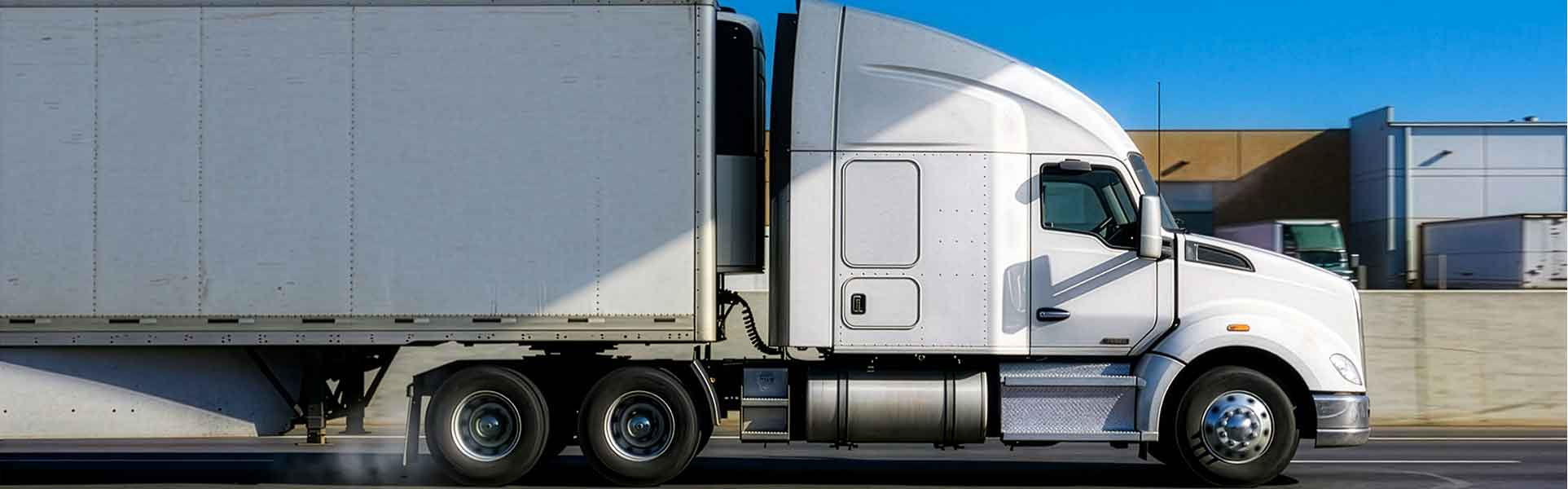
Truck Freight Shipping: Definition, Guide, Solutions
Most products that move across the country ride on trucks. Truck freight shipping is simply loading pallets or crates onto a trailer and sending it down the highway. You can take the whole trailer if the load is big enough, or share space when it’s not. Some loads need a plain box trailer, others need cold air or an open deck. The bill usually comes down to how heavy it is and how far it has to go. That’s the basic picture of freight on American roads.
Freight: Scope, Commercial Role, and the Goods It Covers
Shipments larger than normal packages - those that weigh at least 150 pounds or take up meaningful space on a pallet - travel as cargo by truck, rail, sea, or air. This is when freight transport begins in the US.
It is the silent force of daily commerce. Ore departs the mine, farm products depart the farm, manufactured goods depart the factory, and commodities depart the port. Without this stream, the supply chain would simply stop.
According to figures provided by the Bureau of Transportation Statistics, the volume can be seen as follows: 11.3 billion tons were shipped in 2023, amounting to $1.1 trillion in value. Trucks carried 67 percent of the total weight. Only the largest loads, the longest distances, or the tightest deadlines move by rail, ship, or air.
Freight Modes: Full Truckload, Less - Than - Truckload, and Intermodal Shipping
In moving anything larger than just some boxes, you will have essentially three options.
The Full Truck Load (FTL) is your choice for getting the whole 53-foot trailer. When the weight exceeds 24,000 pounds or fifteen pallets, that’s when you should opt for this option. The trailer is locked at the dock, remains locked throughout the journey till the destination, nothing gets in contact with the cargo.
The Less - Than - Truckload (LTL) is the other way of doing things. One to fifteen pallets (somewhere between 150 and 15,000 pounds) ride with other people’s stuff. It gets sorted at terminals along the way, which keeps the rate lower but adds time.
Intermodal shipping mixes the two. A truck does the short local legs, then the sealed container hops on a train for the long stretch. Past 500 miles the rail rate often beats pure trucking.
FTL | LTL | Intermodal | |
Size | 24k+ lbs | 150–15k lbs | Container loads |
Speed | Fastest | Slowest | Middle |
Cost | Highest | Lowest | In between |
Handling | Almost none | Several stops | Low after pickup |
Best when | You need the whole trailer | You can share and wait | Distance favors rail |
Freight Equipment Types: Dry Van, Flatbed, and Temperature-Controlled Trailers
Three trailer styles handle almost every load on the road.
Dry van shipping is the closed box that moves most of the everyday stuff. A standard 53-footer runs about 8.5 feet wide and will take up to 45,000 pounds of palletized product that just needs to stay dry and locked up. That’s the default for regular commercial freight across the U.S.
Flatbed shipping is the open deck. No sides, no roof, so a crane or forklift can load steel, heavy machines, or construction pieces from any angle. Anything too tall or awkward for a closed trailer usually rides here.
Temperature-controlled trailers keep the climate steady. Fresh food sits around 34–38 F, frozen goes colder, and a lot of pharma stays between 59–77 F. Those runs need calibrated sensors and carriers who actually track the temperatures the whole way.
Freight Rates and Freight Classification: Pricing Drivers Explained
What you pay for a load comes down to how far it travels, how heavy it is, how dense the cargo sits, and whether trucks are scarce that week. On LTL moves the system adds one more layer called freight classification.
NMFC scores every commodity from 50 to 500. Heavy, compact stuff that loads easy gets the low numbers and cheaper rates. Light, awkward, or high-value pieces climb higher and cost more. The final number starts with the base times the class, then fuel and extras get stacked on. Full-truckload skips the class game and just prices the lane.
Class | Density | Typical cargo | Cost feel |
50 | Dense | Steel | Cheapest |
85 | Solid | Boxed goods | Mid |
125 | Lighter | Furniture | Noticeable |
300 | Sparse | Plastics | Steep |
500 | Airy | Fragile electronics | Top end |
FAQ
Latest insights and useful articles
Stay informed with the latest trends and educational resources in the freight industry. Our experts share helpful tips on optimizing supply chains, navigating complex shipping regulations, and choosing the most efficient transport modes for your business. Whether you are looking to reduce costs or improve delivery times, our articles provide the professional guidance you need to keep your logistics moving forward with confidence and clarity
Logistics
Truck Freight Shipping: Definition, Guide, Solutions
Learn how truck freight shipping works in the US: FTL vs LTL, trailer types, what drives the price, and why trucks carry 67% of all freight by weight.
Logistics
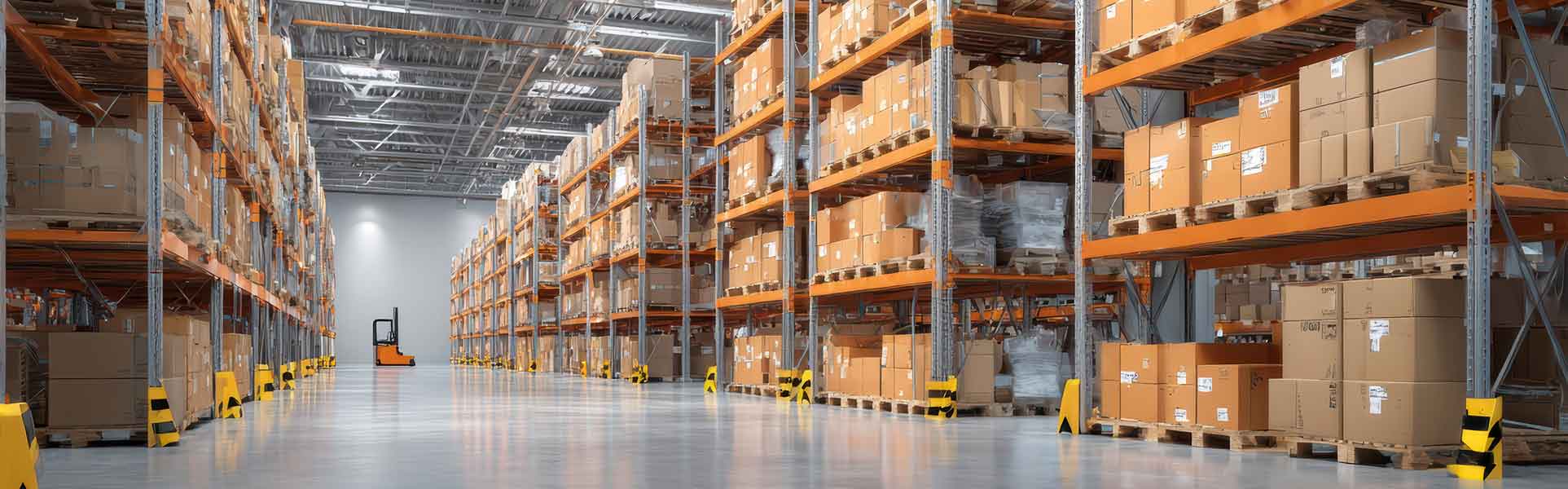
Warehouse Management System (WMS): Features, Benefits & Best Practices
A warehouse management system tracks every item, guides putaway and picking, and cuts errors. See core WMS features, benefits, and best practices.

.webp "Ready to simplify your freight shipping? https://www.igtfreight.com")
Ready to simplify your freight shipping?
Move your freight with confidence. Quick quotes, reliable capacity, and a team that actually answers when you call. Get started today with zero pressure and all the answers you need.
Get My Free Quote