Everything You Need to Know About Conestoga Trailers
If you need the accessibility of a flatbed but the cargo protection of an enclosed trailer, the Conestoga trailer is the solution. This guide covers everything about Conestoga trucking equipment - from types and dimensions to how this specialized equipment safeguards freight. Discover why it is the smart choice for oversized or sensitive loads in the USA.
Conestoga Trailers: Design, Origin, and Core Function
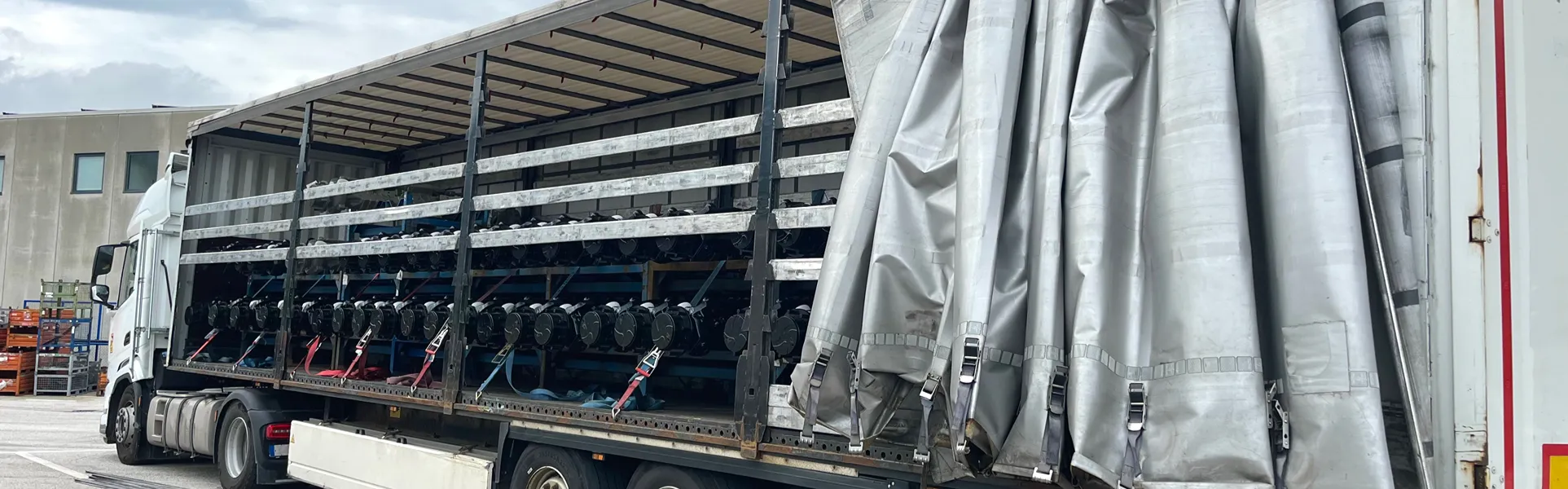
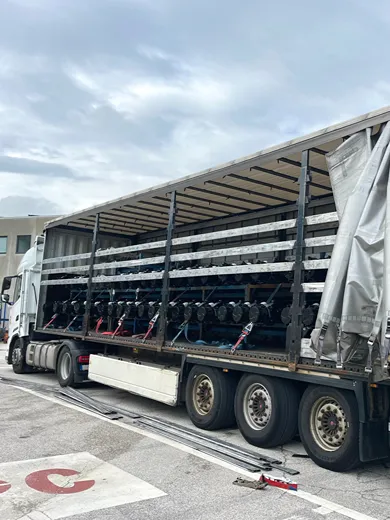
A conestoga trailer begins as a flatbed frame but adds a retractable tarp system that rides on overhead bows and side rails. Unlike manual tarping, this rolling tarp slides forward or backward on command, exposing the full deck for forklift or crane loading from any side. The name derives from the Conestoga wagon-a covered freight carrier used across North America in the 1700s. That historical concept of sheltered, flexible hauling defines the modern trailer. When closed, the tarp‑on‑frame assembly locks down to deliver full weather protection against moisture, wind, and debris. A flatbed conestoga trailer typically maxes out at 44,000 lbs payload capacity. For shippers needing open-deck access without sacrificing cargo safety, a Conestoga trailer provides a dedicated solution. A conestoga truck equipped this way handles sensitive loads that ordinary flatbeds cannot.
Types of Conestoga Trailers and Their Dimensions
Everything You Need to Know About Conestoga Trailers
Selecting a conestoga trailer is a strategic decision for any business moving specialized freight across the USA. These unique units integrate the loading ease of a flatbed with the environmental security of an enclosed dry van. At IGT Logistics, we utilize these trailers to move sensitive or oversized cargo that requires maximum protection without compromising on operational speed:
Flatbed Conestoga trailers
The flatbed conestoga trailer is the industry standard for general open-deck freight. Typically available as a 48-foot conestoga or 53-foot conestoga, these trailers are 8'4" in width. They offer an interior height of approximately 96 inches under the tarp system and a weight capacity of up to 44,000 lbs.
Step-Deck Conestoga
When cargo exceeds the standard 96-inch height limit, a step-deck conestoga is required. This version features a two-level platform: a 10-foot upper deck and a lower deck that drops to provide more vertical space. The lower deck can accommodate freight up to 9'8" (116") tall with a weight capacity of roughly 41,000 lbs.
Double-Drop Trailer Conestoga
The double-drop conestoga provides the maximum deck clearance for exceptionally tall equipment. A standard 48-foot unit features a lower deck height capacity of up to 139", while the front deck remains at 96". This specialized conestoga truck trailer handles a weight capacity of around 35,000 lbs.
Comparison Table
Trailer Type | Length | Max Interior Height | Weight Capacity |
Flatbed Conestoga | 48' / 53' | 96" | 44,000 lbs |
Step-Deck Conestoga | 48' / 53' | 116" | 41,000 lbs |
Double-Drop Conestoga | 48' | 139" | 35,000 lbs |
Conestoga Trucking: Cargo Types and Industries Served
Conestoga trucking excels at moving freight that demands both weather protection and open‑deck accessibility. Heavy industry relies on conestoga trailers for steel coils, fabricated metal structures, generators, and transformers – all requiring side loading or crane loading without exposure to rain or road debris. Construction and infrastructure sectors ship building materials, prefabricated panels, and large construction equipment on conestoga trucks, preserving finished surfaces during transit.
High‑value cargo and sensitive freight - electronics, medical devices, precision CNC machines - benefit from the tarp’s no‑contact design, which prevents scratching and denting. Conestogas trailers also handle oversized specialty loads: wind turbines, military equipment, helicopters, and industrial generators. Manufacturers moving palletized goods from side‑access docks leverage the retractable tarp’s full 360° access, making conestoga trucking the preferred choice for complex loading angles.
6 Key Advantages of Conestoga Trailers Over Standard Flatbeds
Utilizing a conestoga trailer offers distinct operational benefits that traditional open-deck setups cannot match. These conestoga trailers streamline logistics through these six core advantages:
No manual tarping – The integrated rolling system provides massive time savings and eliminates the physical labor associated with securing heavy tarps.
No-touch cargo protection – The specialized frame ensures the cover never contacts the freight, offering essential finish protection and damage prevention for sensitive machinery.
Full weather protection – Each conestoga truck shields cargo from rain, snow, and road debris, maintaining load security in all conditions.
Flexible loading access – Retractable curtains allow for efficient side loading and crane access from any angle.
Cargo concealment – The opaque tarp hides high-value shipments from public view, reducing theft risks.
Versatility – These conestoga trailers handle diverse freight types, from standard flatbed loads to oversized equipment, by providing the flexibility of a conestoga trailer with the security of a dry van.
Conestoga Trailer, Flatbed and Dry Van: Choosing the Right Equipment
Selecting the correct equipment depends on loading access requirements and the nature of the cargo. A conestoga trailer is the primary choice for sensitive freight needing side or crane loading alongside total weather protection. Conversely, a standard flatbed serves as a cost-effective open deck option for durable, oversized loads that tolerate manual tarping. For standard palletized goods restricted to rear-door entry, a dry van remains the enclosed trailer of choice. IGT Logistics utilizes conestoga trailers and trucks to bridge the gap between these formats, ensuring conestogas trailers provide maximum security without sacrificing the versatility of a conestoga truck. Refer to the table below to determine when to utilize a Conestoga trailer for your freight:
Trailer Type | Loading Access | Weather Protection | Max Payload | Best Cargo Type |
Conestoga truck | Side, Crane, Rear | Full (No-Touch) | 44,000 lbs | Machinery, CNC, Coils |
Flatbed | Side, Crane, Rear | Manual Tarping | 48,000 lbs | Lumber, Steel, Pipes |
Dry Van | Rear Only | Full Enclosure | 45,000 lbs |
Key takeaways for choosing a Conestoga trailer – Quick summary:
A conestoga trailer (flatbed version) hauls up to 44,000 lbs with a retractable tarp‑on‑frame system - no manual tarping required.
Three configurations: flatbed (standard), step‑deck (taller freight), and double‑drop (tallest loads).
Core benefits of conestoga trailers: no‑contact cargo protection, full‑side loading access, and weather sealing.
Ideal for machinery, steel, construction materials, wind turbine parts, and CNC equipment.
Choose conestoga trucking when your freight needs weather protection plus side or crane access - a dry van cannot offer that.

Ready to simplify your freight shipping?
Move your freight with confidence. Quick quotes, reliable capacity, and a team that actually answers when you call. Get started today with zero pressure and all the answers you need.
Get My Free QuoteFAQ
Unlike a standard flatbed that requires manual tarping, a conestoga trailer utilizes a retractable rolling tarp system to protect freight without surface contact.
Weight capacity varies by type: flatbed conestoga trailers handle 44,000 lbs, step-decks carry 41,000 lbs, and a double-drop connestoga trailer supports 35,000 lbs.
A step-deck or double-drop conestoga truck is ideal for oversized machinery that exceeds the height dimensions of a standard flatbed unit.
Depending on availability. The retractable frame allows for full side loading and crane access, providing more flexibility than a dry van.
Due to specialized equipment and enhanced cargo protection, rates and cost for a conestoga trailer are typically higher than standard open-deck flatbed options.
